Chris Wynne’s Ford Mustang Club Racer: Overview
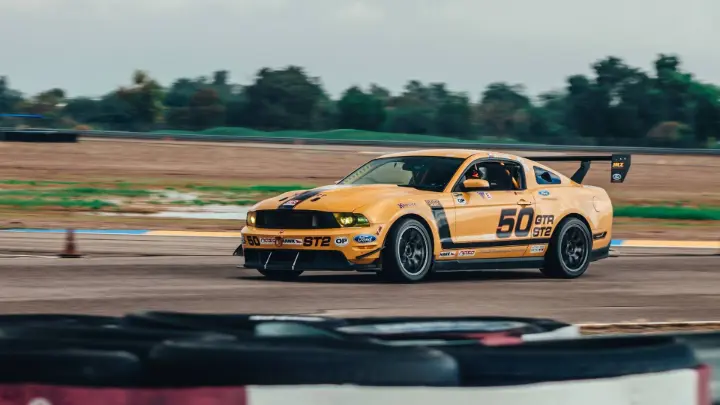
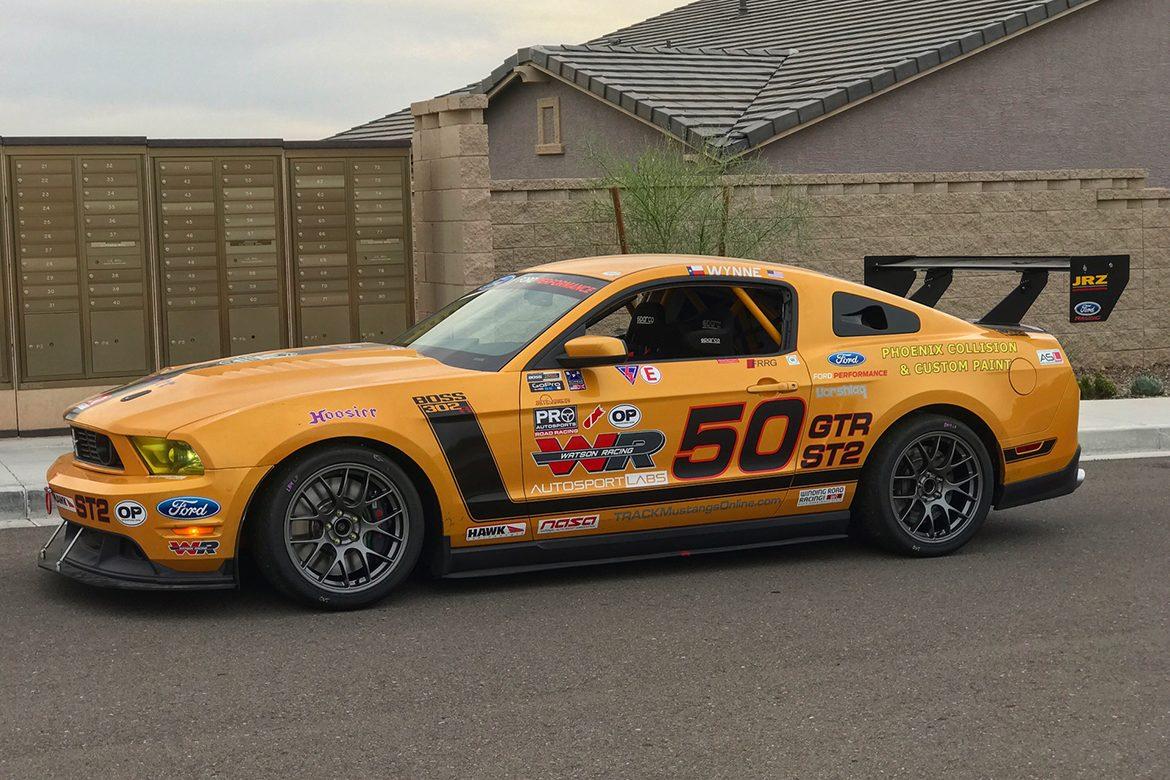
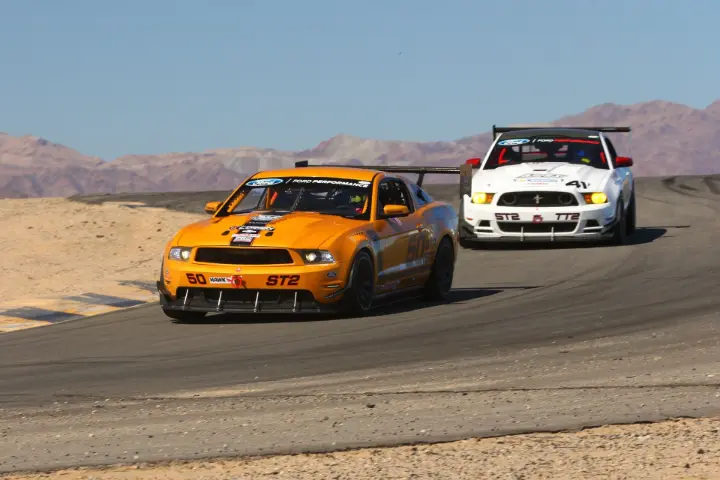
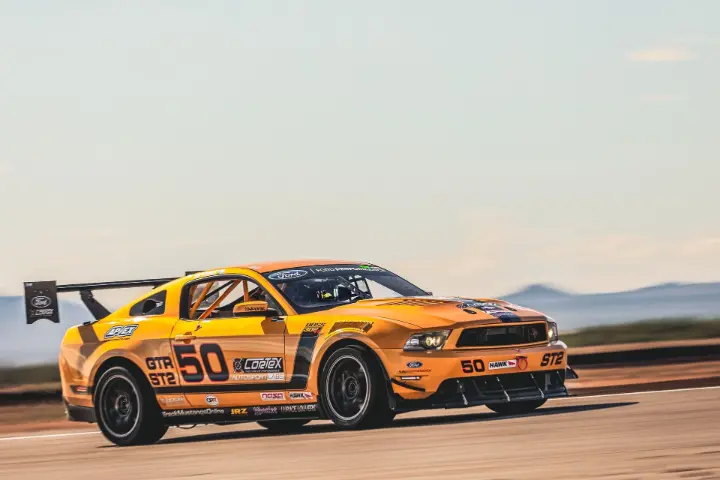
Originally purchased in late 2010 as a daily driver, Chris's 2011 Mustang didn’t stay on the street for very long. Before the odometer even crossed 1,000 miles, it had already seen track time. And by 2015, the car had fully transitioned into a dedicated club racing platform, competing in NASA ST2 and Pro Autosports GTR.

Since then, it has built an impressive resume: 44 podium finishes, including 21 wins, along with three NASA ST2 Arizona regional championships and appearances at two national championship events. Like many successful race programs, this one reflects not just performance on track, but the support of a strong network of friends, family, and partners behind the scenes.
About the Driver
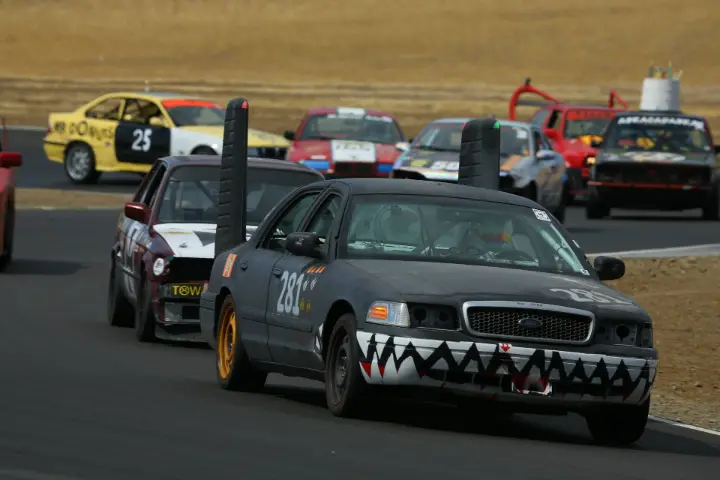
Based in Phoenix, Arizona, Chris Wynne balances a career as a senior cloud architect with more than two decades of involvement in motorsports. His path into racing started through NASA’s HPDE program, eventually earning his competition license in 2010 and progressing into wheel-to-wheel racing across NASA, Pro Autosports, and endurance events like the 24 Hours of Lemons.
Chris has also contributed to the sport off-track, volunteering with Pirelli World Challenge teams and serving as the NASA Arizona Super Touring Series Director from 2018 through 2025, including multiple national events. His experience spans tracks across the country and a wide variety of platforms, along with time spent instructing and coaching drivers.
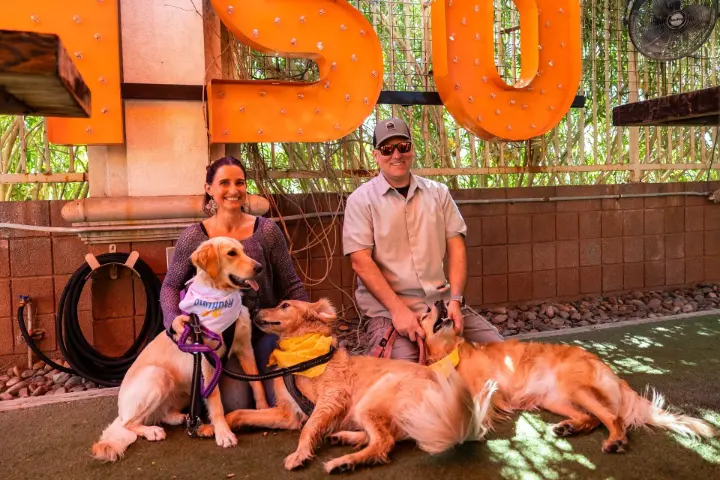
Outside of racing, Chris and his wife Cara recently launched Dakota’s Legacy Animal Rescue, a nonprofit focused on animal welfare and public education in the Phoenix area.
About the Build
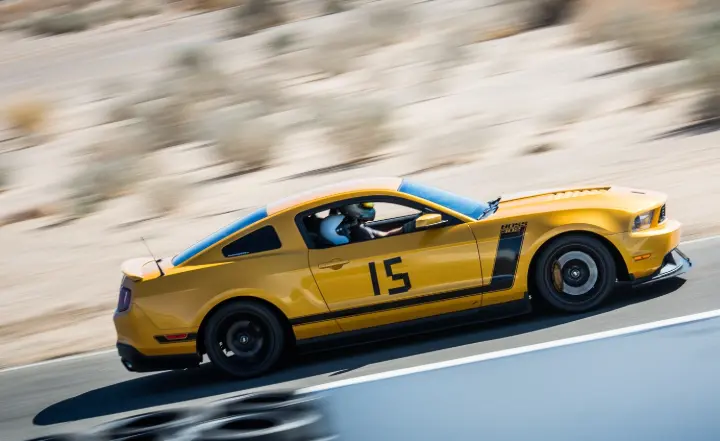
Over the years, the Mustang has evolved alongside changing class rules and increasing performance demands. The current iteration represents the most refined and competitive version to date, with a focus on durability, balance, and outright pace.
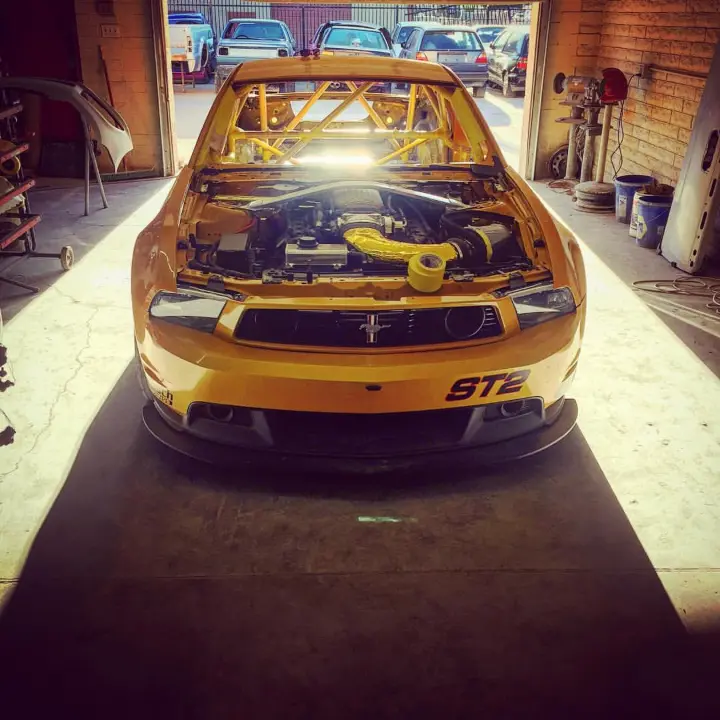
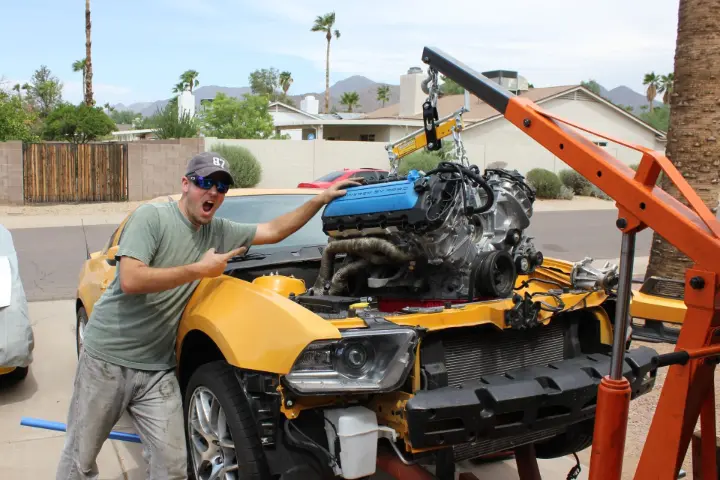
At the heart of the car is a race-prepped 5.2L Coyote-based engine built by Bill Day, featuring a Dailey dry sump system and a fully developed rotating assembly. Extensive cylinder head work, custom camshafts, and a Cobra Jet intake setup allow the engine to rev to 8,300 RPM, delivering strong, reliable power for extended track sessions.
Power is managed through a race-prepared Tremec Magnum XL transmission with upgraded internals and optimized ratios, paired with an Exedy clutch and a Torsen-equipped rear end. Cooling and fuel systems have been upgraded throughout to support the demands of competitive racing.
Cortex Suspension System
The suspension package is built around Cortex Racing components, designed to maximize grip, adjustability, and consistency on track.
The car features a Cortex Race Series rear axle system with cambered spindles to improve tire contact, along with rear lower control arms, torque arm, and a fully adjustable Watts link for precise control of rear geometry. A tool-less adjustable rear sway bar allows quick tuning between sessions, while the bumpsteer kit and optimized front geometry help maintain stability under aggressive alignment settings.
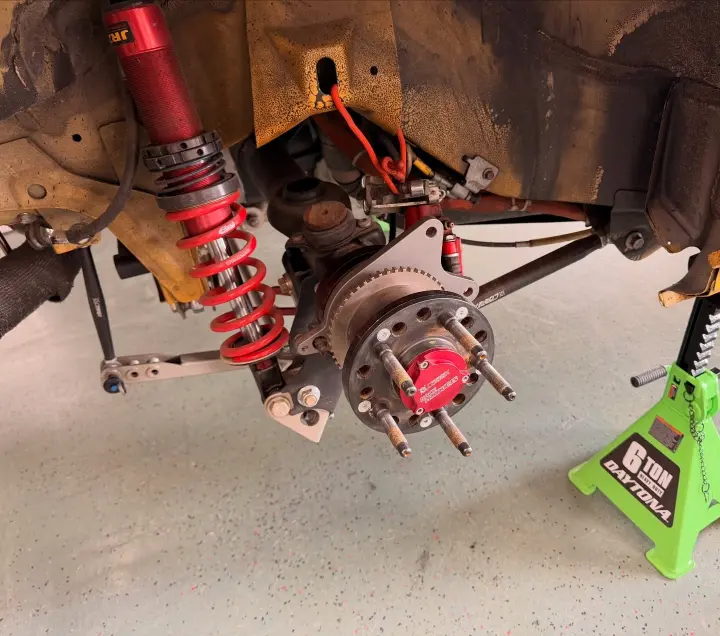
JRZ double-adjustable dampers with remote reservoirs handle damping duties, paired with custom spring rates and supporting hardware to fine-tune the car’s balance across a wide range of track conditions.
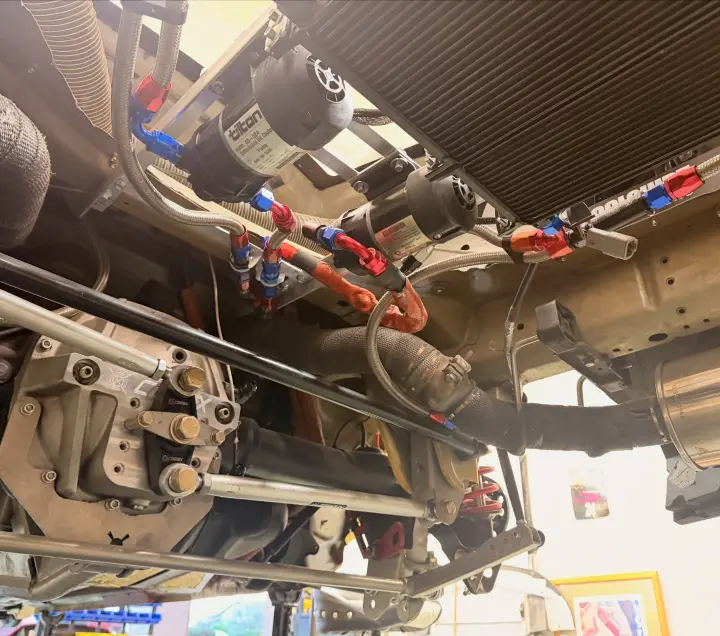
Chassis, Aero, and Supporting Systems
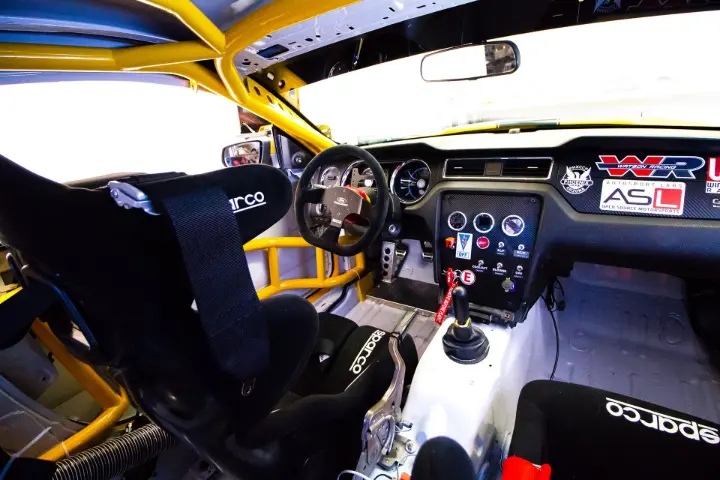
The OEM 2011 Mustang GT chassis has been extensively reinforced with a custom NASA-compliant cage and additional fabrication work to support the demands of racing. Aero development includes a chassis-mounted splitter and diffuser system, vented hood, and an APR rear wing, all working together to improve high-speed stability and overall efficiency.
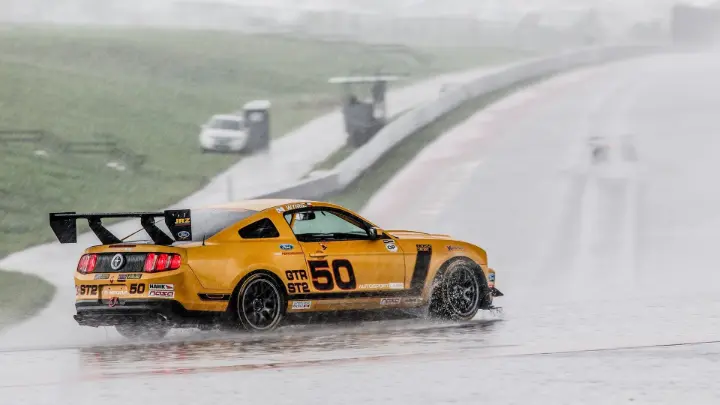
The car rides on 18x11 forged wheels wrapped in Michelin S9M slicks, with braking handled by a high-capacity AP Racing system. Supporting systems include a full fire suppression setup, race seat and harnesses, and a comprehensive data acquisition package built around Autosport Labs and AIM components.
What’s Next
The car is currently undergoing its next phase of development, with plans to transition out of NASA ST competition and into new classes while expanding to tracks across the country. With additional updates already in the works, the goal is to return to competition in the second half of 2026.